Bathroom Safety Tips for Seniors: Simple Changes That Make a Real Difference
The bathroom is one of the most dangerous rooms in the house for older adults. Wet floors, slippery surfaces, awkward transfers, poor lighting, and rushed movement all make it easier for a simple routine to turn into a fall or injury.
The good news is that bathroom safety usually improves through practical changes, not guesswork. Most families do not need a full remodel. They need to identify the weak points in the setup and fix the ones that create the most risk first.
This guide covers the bathroom safety tips that matter most for seniors, what to change first, and how to make bathing, toileting, and everyday movement feel safer and less stressful.
Quick answer: Start by improving traction, adding grab bars, using better lighting, making transfers easier, and addressing standing or balance problems early. Most bathroom falls happen because several small risks are ignored at the same time.
Bathroom accidents rarely happen out of nowhere
Bathrooms combine almost every condition that makes falls more likely: slick floors, hard surfaces, cramped layouts, fast transitions, and routines people often try to finish quickly. If balance has changed, strength has declined, or mobility feels less certain, the bathroom usually exposes the problem fast.
That is why bathroom safety should never be treated like a minor upgrade. For many families, it should be one of the first rooms addressed.
The bathroom safety changes that matter most
1. Add grab bars where support is actually needed
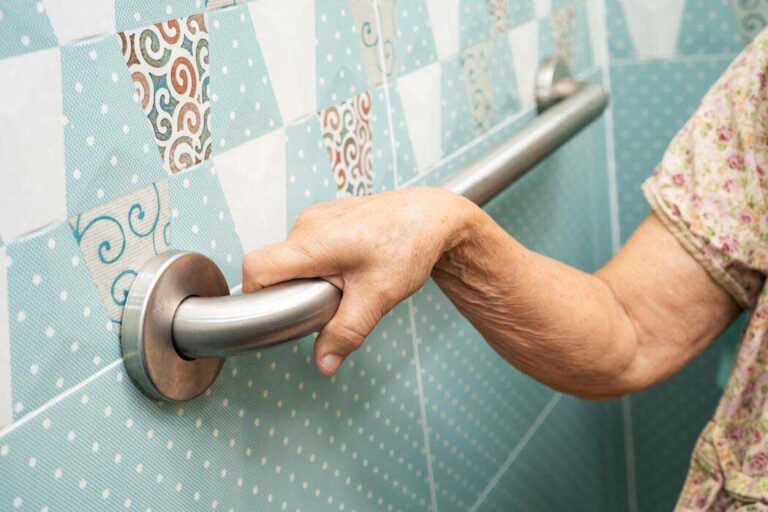
Grab bars are one of the most useful bathroom safety upgrades, but only when they are placed where real support is needed. The most important areas are usually near the toilet and inside or just outside the shower or tub.
Towel bars are not grab bars. Leaning on the wrong fixture is how people get hurt.
2. Improve floor traction
Wet surfaces are a basic problem with a very obvious answer. Use non-slip mats or strips where appropriate, reduce standing water, and make sure the person is not stepping onto a slick floor right after bathing.
3. Make bathing safer with seating support
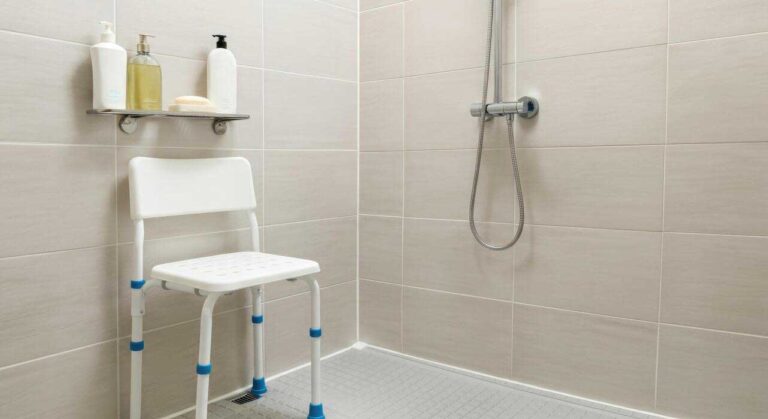
A shower chair or transfer bench can make a major difference when standing through a shower feels tiring, shaky, or unsafe. The best choice depends on whether the issue is standing fatigue or getting in and out of the tub safely.
4. Improve lighting for both daytime and nighttime use
Good bathroom lighting matters more than families think. A dim bathroom makes it harder to judge wet surfaces, seat height, floor edges, and transitions. Nighttime bathroom trips become riskier when the route and the room are poorly lit.
5. Make toilet use easier and safer
Sitting down and standing up from the toilet becomes harder for many older adults long before they say anything about it. Grab bars, raised toilet support, and enough clear space around the toilet can all improve safety.
| Bathroom Risk | What Often Goes Wrong | Better Fix |
|---|---|---|
| Shower or tub entry | Stepping in and out without support | Use grab bars or a transfer bench |
| Wet floors | Slipping after bathing | Improve traction and reduce pooled water |
| Toilet transfers | Difficulty sitting and standing | Add support bars or raised toilet assistance |
| Poor lighting | Difficulty seeing surfaces and edges | Add brighter lighting and nighttime visibility |
| Standing fatigue | Weakness during bathing | Use a shower chair or seating support |
How to make showering and bathing safer
Use the right seating support
If standing through a shower feels tiring or unsteady, seated bathing is often the simplest improvement. A shower chair is usually enough when the person can already enter the shower safely. A transfer bench is usually better when stepping over the tub wall is the bigger problem.
Keep bathing supplies within easy reach
Soap, shampoo, towels, and washcloths should be easy to reach without bending awkwardly, twisting, or standing up suddenly.
Avoid rushed movement
Bathrooms become more dangerous when a person moves too quickly, especially when tired or trying to get finished fast. A safer setup should reduce the need to rush.
Toilet transfers deserve more attention than they usually get
Many older adults struggle more with lowering themselves down and standing back up than families realize. This is especially common with weakness, joint pain, balance changes, or recovery after illness.
- Add support near the toilet if sitting and standing feels difficult
- Make sure there is enough space to move safely
- Consider raised toilet support if the seat feels too low
- Improve lighting for nighttime use
If the person braces against unstable surfaces or nearby furniture, the setup is weak and needs fixing.
A lot of bathroom falls happen at night
Nighttime bathroom trips are a major problem because people are tired, stiff, in a hurry, and moving through darker spaces. Even a decent bathroom setup can become risky if the route to the bathroom is poorly lit or cluttered.
- Light the path from bed to bathroom clearly
- Remove anything that crowds the floor at night
- Make the bathroom easy to enter without sharp turns or obstacles
- Reduce the need to rush
If nighttime movement already looks unsteady, that is a sign to take bathroom and mobility safety more seriously overall.
Sometimes the real problem is a broader mobility change
If an older adult looks unsafe in the bathroom, the issue is not always limited to the bathroom. The room often exposes bigger changes in balance, endurance, walking confidence, or transfer ability.
- Holding onto walls or counters while walking
- Getting tired quickly during normal movement
- Recent near-falls or actual falls
- Fear of slipping or moving without support
- Difficulty standing up from seated positions
If those signs sound familiar, read Signs Your Parent May Need a Walker and compare safer support options in Best Walkers for Seniors.
What families often get wrong in bathroom safety
Thinking bath mats alone solve the issue
Mats help, but they do not fix poor transfers, weak lighting, bad bathroom layout, or mobility decline.
Using towel bars like grab bars
This is one of the dumbest bathroom mistakes people normalize. Towel bars are not built to support body weight.
Ignoring tub entry and exit
Many families focus on what happens during the shower and ignore the fact that getting in and out is often the most dangerous part.
Assuming the person will “just be careful”
Carefulness does not fix a weak setup. The room has to support safer movement, not depend on perfect balance and perfect timing.
Fix the highest-risk bathroom problems first
You do not need to perfect everything at once. Start with the changes that reduce immediate risk: safer transfers, better traction, better lighting, and stronger support.
If seated bathing may help, compare options in Best Shower Chairs for Seniors.
Want a safer bathroom setup without overcomplicating it?
Start with the biggest risk areas first, then build out better support for bathing, transfers, and nighttime bathroom use.
Common Questions About Bathroom Safety for Seniors
Clear answers to the most common questions families ask when trying to make bathroom use safer for an older adult.
Wet floors, awkward transfers, poor lighting, and weak support around the toilet or shower are some of the biggest bathroom safety risks. The real danger usually comes from several of these problems happening together.
Start with grab bars in the right places, better floor traction, stronger lighting, and seating support if standing during bathing feels unsafe or exhausting.
Sometimes, yes, but not always. A shower chair helps when standing is the issue. If tub entry and exit are the bigger problem, a transfer bench may be the better answer.
They often happen when a person is tired, stiff, moving quickly, and walking through darker spaces. If the route is poorly lit or cluttered, the risk goes up fast.
Warning signs include holding onto walls, getting tired during normal movement, recent near-falls, fear of slipping, or trouble standing up from seated positions. Those usually mean the problem is not limited to the bathroom alone.
The safest bathroom is the one that supports real movement, not wishful thinking
Bathroom safety improves when the setup matches the person using it. That means better support, better traction, better lighting, and less dependence on balance alone.
The goal is not to make the bathroom look more medical than necessary. The goal is to make daily use safer, calmer, and easier before a fall or injury forces the issue.

Claire Bennett is the Senior Home Safety Researcher and Editor at ElderlyTend. She writes practical guides that help older adults, caregivers, and families make safer decisions at home. Her work focuses on mobility aids, fall prevention, bathroom safety, bedroom safety, and aging-in-place support.
At ElderlyTend, Claire reviews product categories and home safety topics with a strong focus on real-life usability, comfort, safety, and everyday practicality. Her goal is to make senior care decisions easier to understand without the confusing language, exaggerated claims, or low-value advice that often fills the internet.