How to Prevent Falls at Home: Practical Room-by-Room Changes That Matter

Falls at home are one of the biggest safety risks for older adults, but most fall hazards are not dramatic. They are ordinary things families stop noticing: poor lighting, loose rugs, cluttered walkways, awkward bathroom setups, unstable support, and daily routines that have quietly become harder than they used to be.
The good news is that preventing falls at home usually does not start with a massive renovation. It starts with seeing the house more honestly and fixing the problems that create the most risk first.
This guide breaks down the most important ways to reduce fall risk at home, which areas deserve the most attention, and what families should change before a preventable accident forces the issue.
Quick answer: Start by clearing walkways, improving lighting, removing loose rugs, adding bathroom support, and addressing mobility problems early. Most falls happen because several small risks are ignored at the same time.
Falls usually happen after the warning signs have already been there
Families often talk about falls as if they come out of nowhere. Most do not. The risk usually builds slowly through poorer lighting, less stable walking, rushed bathroom trips, clutter, fatigue, and a home setup that no longer matches the person using it.
The smartest way to prevent falls is to stop thinking about them as random accidents and start treating them like predictable outcomes of ignored risk.
The biggest fall risks to fix first
1. Loose rugs and cluttered walkways
Loose rugs, cords, baskets, shoes, low furniture, and cluttered walking paths are among the easiest fall risks to fix and the easiest for families to ignore. If someone is already walking more cautiously, even a small obstacle can become a real problem.
2. Poor lighting
Dim hallways, dark bathrooms, unlit stairs, and poor bedroom lighting make movement harder and more dangerous, especially at night. If an older adult cannot clearly see flooring changes, thresholds, or obstacles, fall risk goes up fast.
3. Unsafe bathroom setups
Bathrooms are one of the highest-risk parts of the home because they combine wet surfaces, awkward transfers, tight spaces, and rushed movement. If the bathroom still depends on balance alone, that is a problem.
4. Weak or unstable mobility support
If someone is holding onto walls, counters, or furniture while walking, the home is already compensating for a mobility problem. At that point, ignoring the issue is usually worse than addressing it.
5. Fatigue and rushed movement
A lot of falls happen when older adults move while tired, hurry to the bathroom, or try to push through routines that have quietly become more physically demanding.
| Risk Area | Common Problem | Better Fix |
|---|---|---|
| Walkways | Loose rugs, cords, clutter | Clear paths and remove tripping hazards |
| Lighting | Dark halls, stairs, and bathrooms | Add brighter bulbs and night lighting |
| Bathroom | Wet floors and poor transfer support | Add grab bars, non-slip surfaces, and seating |
| Mobility | Holding onto furniture | Assess need for safer walking support |
| Bedroom | Poor nighttime visibility | Use better bedside and route lighting |
How to reduce fall risk in the areas that matter most
Entryways and hallways
These are easy places to overlook because people move through them quickly and constantly. That is exactly why they matter. Make sure the floors are clear, lighting is strong, and there are no slippery mats or objects crowding narrow paths.
Living room
Watch for low coffee tables, decorative rugs, footstools, unstable furniture, and crowded walking space. A living room that looks cozy can still be a bad setup for someone who is less steady.
Bedroom
Bedrooms matter because falls often happen when someone gets out of bed tired, stiff, or half-awake. Clear the path from bed to bathroom, improve nighttime lighting, and make sure essential items are easy to reach.
Bathroom
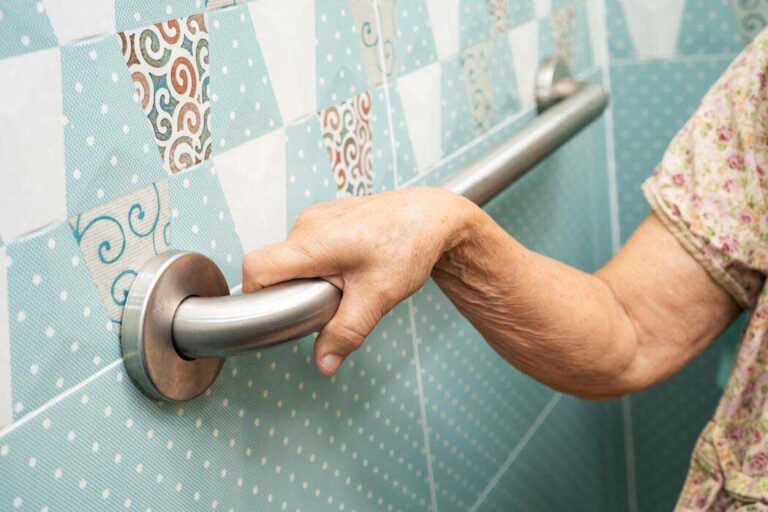
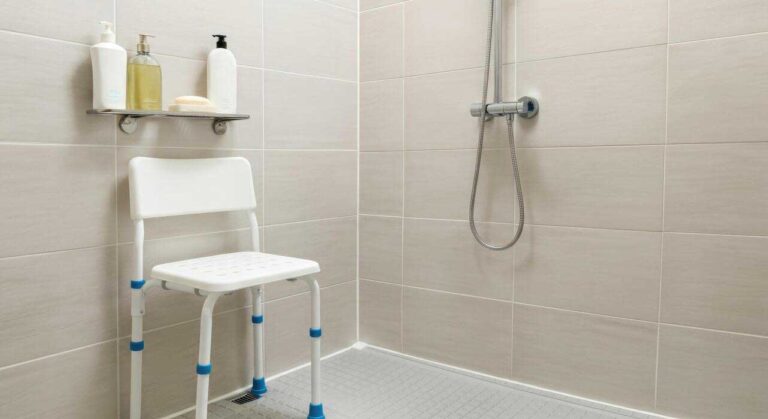
Bathrooms deserve more attention than most families give them. Add grab bars near the toilet and shower, improve floor traction, consider a shower chair or transfer bench, and make nighttime bathroom trips easier and less rushed.
Kitchen
Kitchens become riskier when commonly used items are stored too high, cords crowd the floor, or the person has to stretch, twist, or rush while carrying things. The goal is to reduce unnecessary reaching and awkward movement.
Sometimes the home is not the only issue
Not every fall risk comes from the layout. Sometimes the bigger issue is that the person’s balance, confidence, strength, or endurance has changed.
- Holding onto furniture while walking
- Moving more slowly out of fear
- Recent falls or near-falls
- Fatigue during normal walking
- Avoiding parts of the home or daily routines
If those signs sound familiar, read Signs Your Parent May Need a Walker and compare options in Best Walkers for Seniors.
The simplest improvements often do the most work
- Remove loose rugs and floor clutter
- Improve lighting in hallways, stairs, bathrooms, and bedrooms
- Add grab bars in the bathroom
- Use non-slip surfaces where water is common
- Keep commonly used items easy to reach
- Address walking instability before it gets worse
- Make nighttime bathroom access easier and safer
Families often overthink this. The first job is not to create the perfect house. It is to remove the most obvious risks quickly.
Why homes stay riskier than they need to be
Waiting until after a fall
This is the dumbest pattern families repeat. If the risks are already visible, waiting for an injury is not patience. It is avoidance.
Fixing one thing and ignoring the rest
A grab bar helps, but it does not cancel out poor lighting, slippery floors, or unstable walking.
Assuming “careful” is enough
People do not stay safe because they try harder. They stay safer when the environment is easier to move through.
Ignoring nighttime risk
Nighttime trips to the bathroom are one of the most common times for falls. If the path is dark, cluttered, or rushed, the setup is weak.
Use a checklist instead of guessing
The fastest way to reduce fall risk is to stop relying on memory and use a room-by-room process.
Start with the Senior Home Safety Checklist so you can identify the biggest hazards first and take action in the right order.
Want to make the home safer without overcomplicating it?
Start with the highest-risk problems first, then work through mobility, bathroom safety, and daily movement one step at a time.
Common Questions About Preventing Falls at Home
Clear answers to the most common questions families ask when trying to make home life safer for an older adult.
Falls often come from a combination of problems, not just one. Loose rugs, poor lighting, cluttered walkways, unsafe bathroom setups, and untreated mobility changes are some of the biggest risks.
Start with the easiest high-impact changes: clear walkways, remove loose rugs, improve lighting, add bathroom support, and address signs of walking instability early.
Yes. Better lighting, fewer tripping hazards, safer bathroom support, and clearer walking paths can make a meaningful difference, especially when several small risks were building up at the same time.
Warning signs include holding onto furniture, moving more cautiously, tiring while walking, recent near-falls, and avoiding normal activities. Those signs usually mean the fall risk is not just about the house.
Yes. A checklist helps you stop guessing, catch overlooked hazards, and work through the home room by room instead of fixing random things and missing the biggest risks.
Most falls are not random, and that is exactly why prevention matters
If the home has poor lighting, cluttered paths, weak bathroom support, and a person whose walking has already changed, the risk is not theoretical. It is building.
The best way to prevent falls at home is to act before the injury, not after it. Fix what is obvious first, take mobility changes seriously, and make the home easier to move through instead of expecting the older adult to compensate for a weak setup.

Claire Bennett is the Senior Home Safety Researcher and Editor at ElderlyTend. She writes practical guides that help older adults, caregivers, and families make safer decisions at home. Her work focuses on mobility aids, fall prevention, bathroom safety, bedroom safety, and aging-in-place support.
At ElderlyTend, Claire reviews product categories and home safety topics with a strong focus on real-life usability, comfort, safety, and everyday practicality. Her goal is to make senior care decisions easier to understand without the confusing language, exaggerated claims, or low-value advice that often fills the internet.