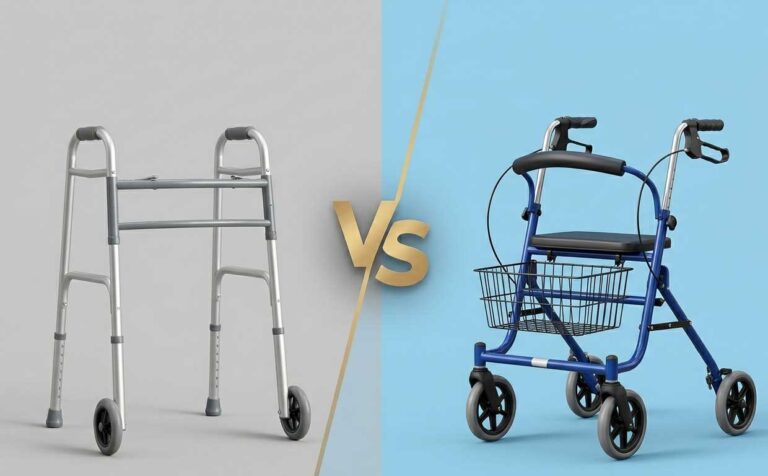
7 Signs Your Parent May Need a Walker
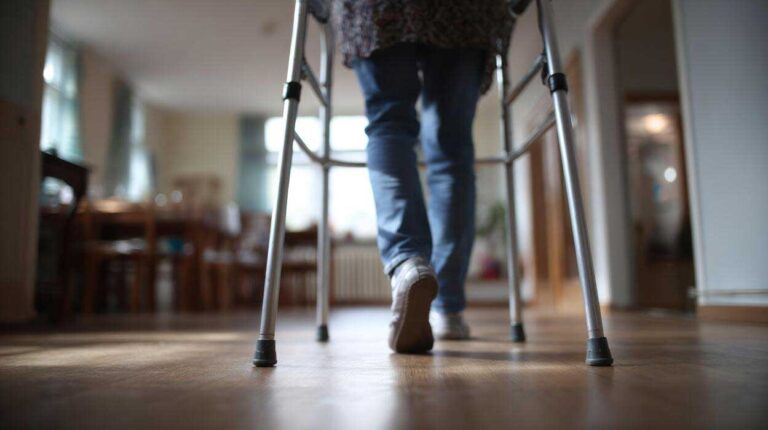
It is not always easy to tell when an aging parent may need a walker. Most people do not wake up one day and suddenly ask for one. More often, the signs show up gradually through slower movement, less confidence, more hesitation, and small changes that families notice before the older adult admits anything feels different.
The hard part is that many seniors resist mobility aids because they associate them with losing independence. In reality, the right walker can often do the opposite. It can help someone move more safely, reduce the risk of falls, and make daily life feel less stressful and less exhausting.
This guide covers the most common signs your parent may need a walker, when to take the issue more seriously, and how to think about the next step without rushing into the wrong choice.
Quick answer: If your parent is holding onto furniture, moving more cautiously, losing confidence while walking, getting tired quickly, or having recent near-falls or falls, it may be time to take mobility support more seriously.
Waiting too long can turn a manageable problem into a bigger one
Families often delay the walker conversation because they do not want to upset their parent or make them feel older than they already do. That hesitation is understandable, but it can backfire. When balance or walking ability starts to decline, even small problems can quickly turn into falls, injuries, bathroom accidents, or reduced independence at home.
The goal is not to push a walker too early. The goal is to notice warning signs before something preventable happens.
7 signs your parent may need a walker
1. They hold onto walls, counters, or furniture while walking
This is one of the clearest warning signs. If your parent moves through the house by touching walls, tables, countertops, or chairs for support, they are already telling you something important with their behavior: walking does not feel fully stable anymore.
Many families brush this off because the person is “still getting around.” That is lazy thinking. If someone is using the house as a support system, they may already need more reliable help than furniture can provide.
2. They seem slower and more cautious than before
People often slow down when they no longer trust their balance. They may take shorter steps, move more carefully around corners, hesitate before standing up, or pause before walking across open space.
Slowing down alone does not always mean a walker is needed, but when it comes with visible caution or uncertainty, it is worth paying attention.
3. They have had a recent fall or near-fall
A recent fall matters. A near-fall matters too. Families love minimizing these moments by saying things like “it was nothing” or “they caught themselves.” That is how real mobility decline gets ignored.
If your parent has slipped, stumbled, lost balance, or needed to catch themselves on furniture, that is a strong signal that walking safety may already be slipping.
4. They look unsteady when turning, standing, or changing direction
Some older adults look fine walking in a straight line but seem much less secure when standing up, turning around, backing up, or moving from one room into another. Those transition moments are often where balance problems become obvious.
Watch what happens when your parent gets up from a chair, turns in the kitchen, or changes direction in the bathroom or hallway. That is where weakness and instability often show up first.
5. They get tired quickly while walking
A parent who tires easily may start sitting more often, avoiding longer walks, or limiting how much they move around the house. Sometimes the problem is not just fatigue. It is that walking has become more physically demanding, less efficient, and less comfortable.
A walker can sometimes help reduce physical strain by giving the person more support and more confidence while moving.
6. They avoid activities they used to do normally
When people start feeling less steady, they often do not say, “I think my balance is getting worse.” Instead, they quietly stop doing things. They may avoid going outside, walking to the mailbox, using certain rooms, taking showers without help, or going on errands they once handled normally.
Reduced activity is often a hidden warning sign. Sometimes it looks like low motivation, but in reality it is fear, fatigue, or loss of confidence.
7. They seem afraid of falling, even if they do not say it directly
Fear of falling does not always come out in words. It often shows up in body language and choices. Your parent may move slowly, reach for support more often, avoid walking when tired, or insist on help for tasks they used to do alone.
Even when someone has not had a major fall yet, fear itself can be a clue that walking no longer feels secure.
Some signs should not be brushed off
- Multiple recent falls or near-falls
- Noticeable worsening over a short period of time
- Difficulty standing up without using furniture for leverage
- Unsteadiness in the bathroom or at night
- Visible fear when walking across open space
- Needing support just to move room to room at home
If several of these are happening at once, waiting and hoping it improves on its own is not a strategy. It is avoidance.
A walker is not always the answer, but it is often worth considering
Not every parent who feels unsteady needs a walker immediately. Some may need a cane, some may need bathroom safety upgrades, and some may need medical evaluation first. The point is not to force a mobility aid too early. The point is to stop pretending the signs do not matter.
A walker is often worth considering when:
- Support is needed more than occasionally
- Furniture is already being used for balance
- The person does not feel secure walking independently
- Falls or near-falls are becoming more common
- Daily movement around the home is becoming harder or more cautious
If that sounds familiar, the next step is not denial. The next step is finding the right type of support.
What often goes wrong
Waiting for a major fall before taking action
Too many families wait until something dramatic happens. That is backward. The warning signs are supposed to help you act earlier, not after the damage is done.
Assuming resistance means the walker is unnecessary
Many older adults resist walkers because of pride, fear, or what the device seems to represent. Resistance does not prove the walker is unnecessary. It often just means the conversation is emotionally loaded.
Buying the first walker without thinking about fit
Not every walker is right for every person. Stability needs, home layout, hand strength, and whether the person can manage brakes all matter.
Ignoring the home environment
A parent may need more than just a walker. Poor lighting, loose rugs, narrow spaces, and bathroom hazards can all make walking less safe, even with support.
| Sign | What It May Mean | Why It Matters |
|---|---|---|
| Holding onto furniture | Walking does not feel stable anymore | The house is being used as a substitute for proper support |
| Moving more slowly | Confidence or balance may be dropping | Caution often shows up before a fall does |
| Recent fall or near-fall | Mobility support may already be overdue | Falls are rarely random when warning signs are present |
| Fatigue while walking | Movement takes more effort than before | Fatigue often increases instability and avoidance |
| Avoiding normal activities | Walking no longer feels safe or comfortable | Reduced activity can quietly shrink independence |
How to talk to your parent without making it a fight
This conversation usually goes better when you do not frame the walker as a symbol of decline. Frame it as a tool that can make daily life easier, less tiring, and safer.
- Focus on confidence and independence, not weakness
- Talk about safety in a calm, practical way
- Start with specific examples you have noticed
- Avoid sounding like you are taking control away from them
- Keep the conversation about support, not limitation
If you lead with fear, they will usually resist. If you lead with practical support, they are more likely to listen.
Think your parent may need more support while walking?
Compare safer walker options, understand the tradeoffs, and choose a setup that fits real daily life.
Common Questions About Whether a Parent May Need a Walker
Clear answers to the most common concerns families have when balance and walking confidence begin to change.
If your parent is holding onto furniture, moving more cautiously, getting tired while walking, or having recent falls or near-falls, those are strong signs that mobility support may be worth considering. The more of these signs you see together, the harder it is to justify ignoring them.
Not always. A walker usually provides more support than a cane, but the right choice depends on how much stability the person actually needs. Someone with more noticeable unsteadiness often needs more than a cane can offer.
Resistance is common. Many older adults associate walkers with losing independence. The conversation often goes better when you frame the walker as a tool for staying active and safer, not as proof that they are getting worse.
No. Waiting for a major fall is one of the worst ways to handle growing balance problems. The warning signs matter because they give families a chance to act before something more serious happens.
Yes, in many cases. The right walker can help an older adult move with more confidence, conserve energy, and reduce the risk of falls. For many people, that support makes it easier to continue daily activities instead of avoiding them.
The signs usually show up before the parent admits there is a problem
If your parent is holding onto furniture, walking more cautiously, tiring easily, or quietly avoiding normal activities, do not dismiss that as “just aging.” Those are often early signals that walking no longer feels as safe or as easy as it used to.
The smartest move is not to panic or force the issue. It is to pay attention, look honestly at what is changing, and choose support that matches the real situation before a preventable fall makes the decision for you.

Claire Bennett is the Senior Home Safety Researcher and Editor at ElderlyTend. She writes practical guides that help older adults, caregivers, and families make safer decisions at home. Her work focuses on mobility aids, fall prevention, bathroom safety, bedroom safety, and aging-in-place support.
At ElderlyTend, Claire reviews product categories and home safety topics with a strong focus on real-life usability, comfort, safety, and everyday practicality. Her goal is to make senior care decisions easier to understand without the confusing language, exaggerated claims, or low-value advice that often fills the internet.